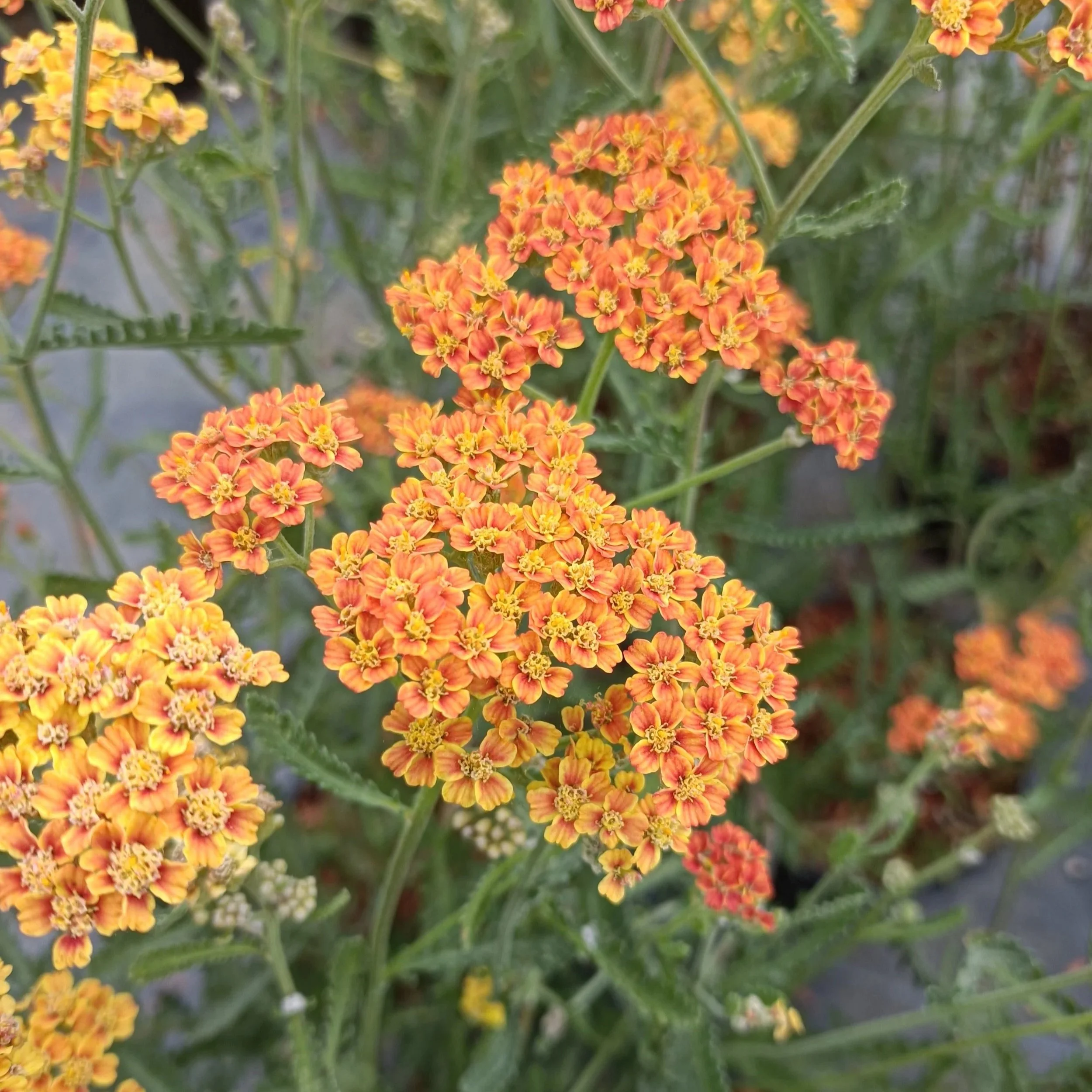
Achillea 'Terracotta' - 2Ltr pots

£12.99
Sold Out

Achillea 'Terracotta' is a stunning perennial plant with a unique colour palette that sets it apart from other yarrow varieties. Its flat-topped flower clusters boast a terracotta-orange hue that deepens as the blooms mature. This drought-tolerant and low-maintenance plant adds a touch of warm, earthy elegance to garden borders, rock gardens, and wildflower meadows.

Achillea 'Terracotta' is a stunning perennial plant with a unique colour palette that sets it apart from other yarrow varieties. Its flat-topped flower clusters boast a terracotta-orange hue that deepens as the blooms mature. This drought-tolerant and low-maintenance plant adds a touch of warm, earthy elegance to garden borders, rock gardens, and wildflower meadows.

Key Features

  • Thrives in full sun

  • Deciduous

  • Approx 100cm tall

  • Approx 40cm spread

  • Stunning Terracotta coloured flowers from June – September

  • Attractive feathery foliage

  • Prefers moist but well drained soil

  • Attractive to bees, butterflies and other pollinating insects

Plant care

To encourage a second wave of flowers in late summer cut back any faded flower stems. During winter, you will notice that your Achillea will die right back, but don't worry! In early spring, it bounces back with fresh growth.


Here are some additional tips for encouraging the best performance from your Agapanthus:

1. Sunlight: Yarrow thrives in full sun. It prefers at least 6 to 8 hours of direct sunlight per day to promote healthy growth and abundant flowering.

2. Soil: Yarrow can adapt to various soil types, but it thrives in well-draining, sandy or loamy soil. Avoid heavy, waterlogged soils as they can lead to root rot.

3. Watering: Once established, Yarrow is quite drought-tolerant and can withstand periods of dry conditions. Watering during prolonged droughts or extremely dry spells is beneficial, but it's essential not to overwater, as Yarrow doesn't like soggy soil.

4. Pruning: After the initial bloom period, you can deadhead the faded flowers to encourage continuous blooming. In late autumn or early spring, you can cut back the plant to promote fresh growth and maintain its shape.

5. Fertilizing: Yarrow typically doesn't require much fertilization. In nutrient-poor soils, you can apply a balanced, all-purpose fertilizer once a year in early spring.

6. Propagation: Yarrow can be propagated through division in early spring or late fall. Simply separate the clumps and replant them in desired locations.


By following these simple care guidelines, you can enjoy the beauty and resilience of Achillea millefolium in your garden for years to come.